October 09, 2026



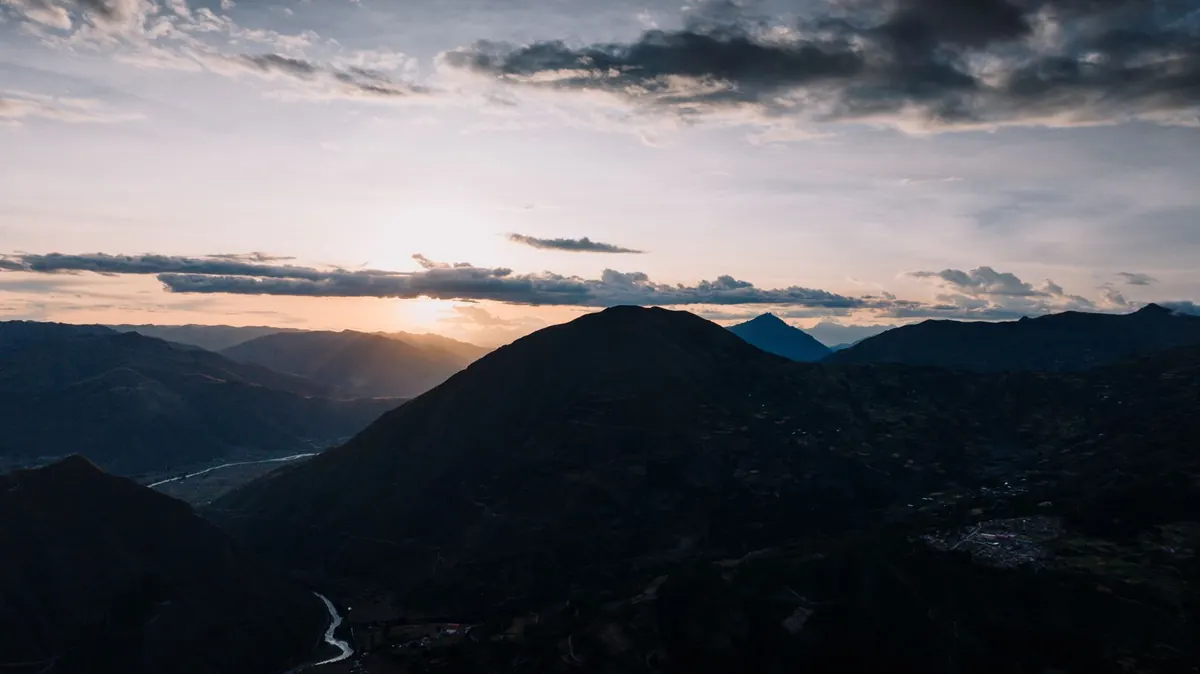
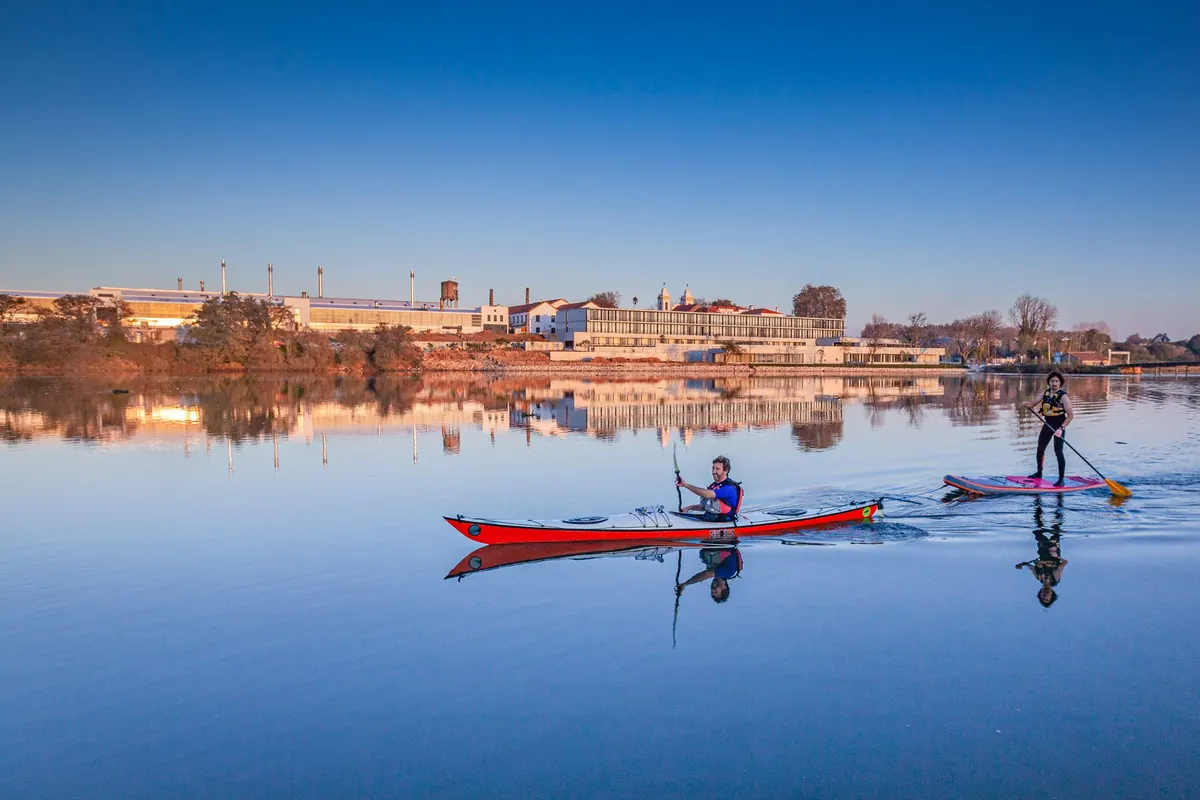
Slow valley rivers are the friendliest water there is. They move at a walking pace, rarely surprise you, and run past farmland, cottonwoods, and small towns with a boat ramp every few miles. That gentleness is exactly why beginners agonize over the choice: kayak or stand-up paddleboard? Both work. They simply work differently. Here is how the two compare on the calm, meandering water most of us actually paddle, plus a few honest notes on launch spots and storage that often settle the question before stability even enters the conversation.
Sit in a kayak and your weight drops close to the waterline. That low center of gravity is the whole story. A ten-foot recreational kayak feels planted the moment you settle into the seat, and a wider sit-on-top feels even more so. You can lean, twist to reach a dry bag behind you, and fumble your paddle without much drama. Kayaks also carry a second layer of forgiveness: the deeper you tip them, the harder they push back. That matters a great deal in your first season.
A paddleboard asks more of you. Standing puts your hips three feet above the water, and every small shift travels through the board. On flat, slow water this is entirely learnable — usually in an afternoon spent kneeling, then sitting, then standing. Wide boards with plenty of volume are steadier; narrow touring shapes are not beginner craft. The real variable is you. Tired legs wobble, and chop from wind or a passing motorboat registers on a board far more than it does in a kayak.
Worth saying plainly: falling off a paddleboard into a slow valley river on a warm day is a minor event. Falling out of a kayak is a wet exit, and it is worth practicing in shallow water near shore before you commit to a longer run. Neither is dangerous in itself, but both are skills.
This is where the decision often makes itself. A rigid paddleboard is roughly eleven feet of foam and fiberglass that wants a roof rack, two hands for the carry, and a garage wall to live against. An inflatable board, pumped to a firm pressure, deflates into a duffel that fits in a closet or a car trunk. If you live in a second-floor apartment, that advantage is not minor.
Kayaks split along the same lines. A ten- or twelve-foot recreational kayak is manageable on a roof rack, but it is not light, and lifting it alone after a long paddle gets old. Inflatable kayaks pack down like boards do, though they tend to feel slower and sit a bit higher on the water, and they need to be dried thoroughly before storage or they will smell like a wet tent by August.
The small items matter too: paddles, pump, PFD, dry bag, fins or skeg. Ask yourself where the wet, sandy version of each object will sit for the six days a week you are not on the river.
A kayak is the faster, more efficient craft on flat water. You sit low and out of the wind, with two blades and a stable platform, so the same effort moves you farther. If your plan involves ten miles and a shuttle, that efficiency is the difference between a pleasant afternoon and a grind.
A paddleboard is slower and demands more from your legs, core, and balance. Standing gives you a view over the banks that no kayak can match, and it turns an ordinary float into a genuine workout. On a river moving two or three miles an hour, that is usually fine — both craft drift downstream with barely any input at all.
Then the wind arrives. Afternoon upstream valley winds are common, and they hit a standing paddler square in the chest. A breeze a kayaker barely notices can turn a paddleboard's final mile into real work. Plan your route upstream first and downstream home, and launch earlier than you think you need to.
Most slow valley rivers offer a mix of formal ramps and informal gravel bars. What works well differs by craft.
Check that your take-out is public. Valley rivers run through plenty of private land, and an inviting bank may not be yours to use. Local paddling groups and river-access maps are the quickest way to learn the recognized spots. If ownership or access rules are unclear, ask the land manager or a local club rather than assuming.
Find a livery on a slow river near you and book a kayak one weekend, a board the next. Paddle the same stretch at the same time of day and notice which one you are still smiling about at the take-out. That answer is worth more than any spec sheet.
Buy used when you do commit. Recreational kayaks and all-around paddleboards hold up well, and last season's model floats exactly as well as this season's. Whatever you choose, wear a properly fitted PFD, tell someone your route and take-out time, and carry more water than you think you need. The valley looks best at three miles an hour, and either craft will get you there.
Photo: José M G Pereira / Pexels

Stories and insights from the valley.
Copyright © 2026 Vale Column. All rights reserved. Vale Column.