
October 09, 2026


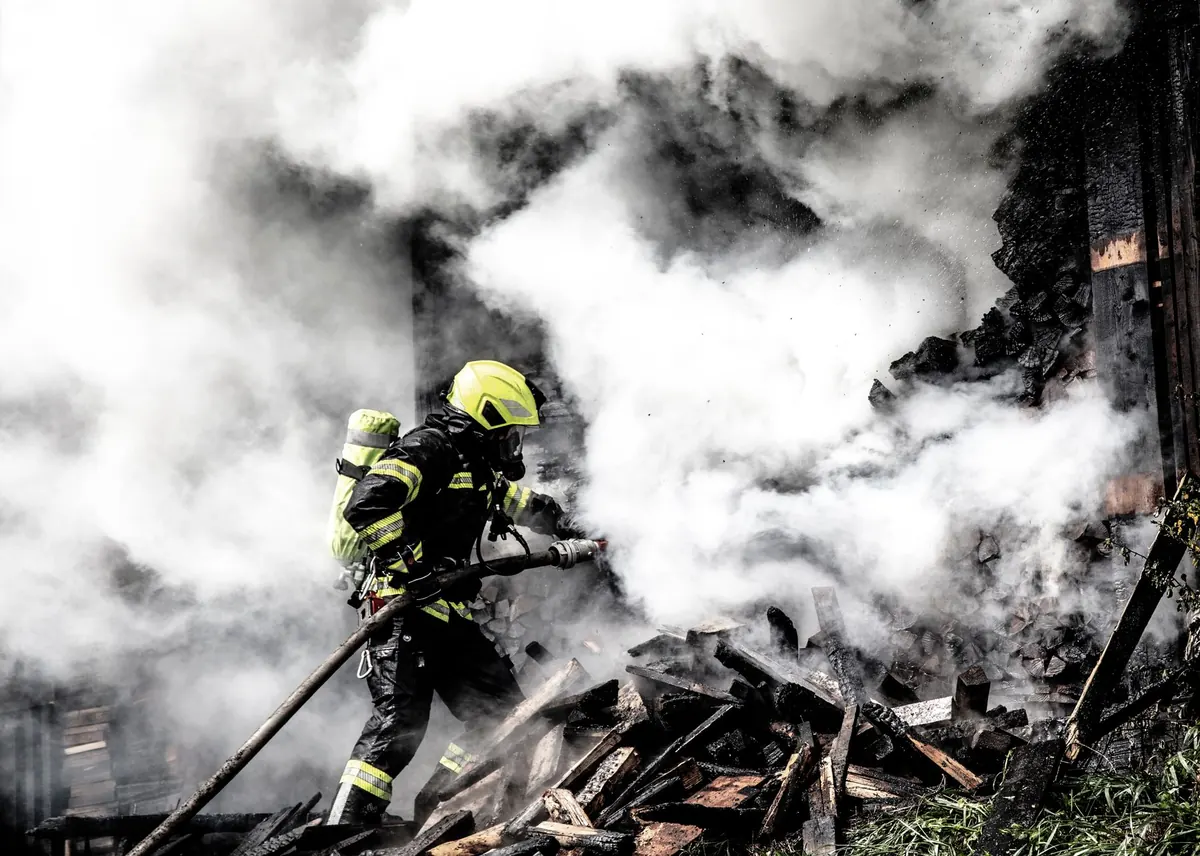
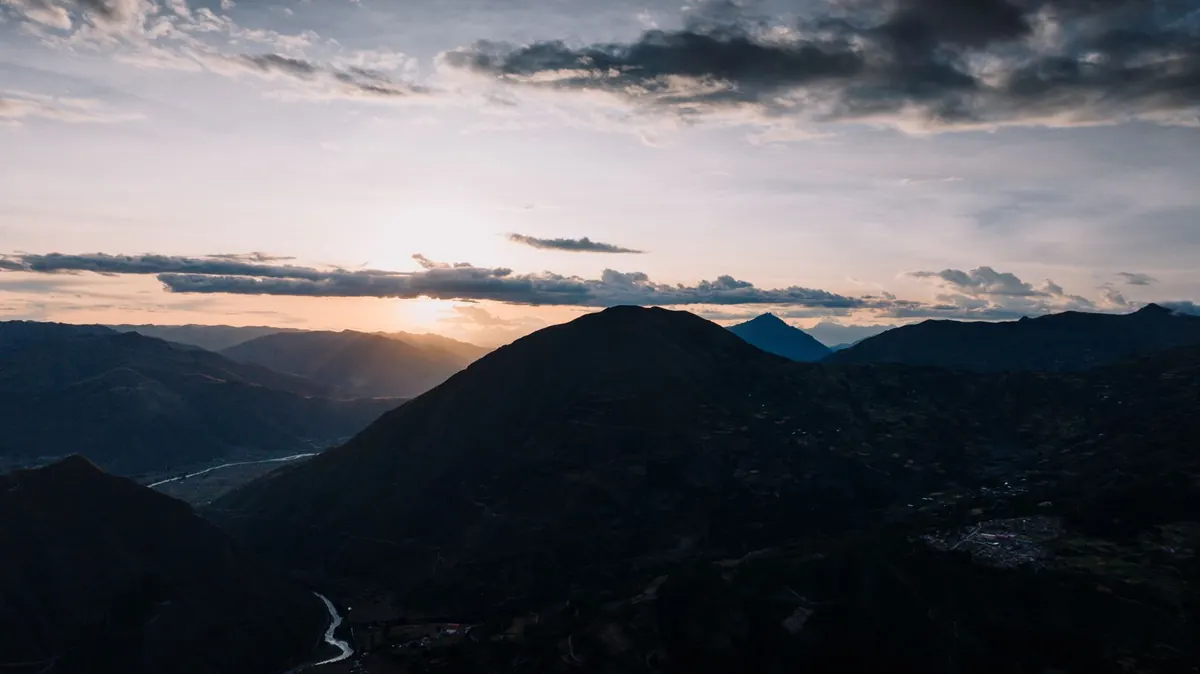
The smoke usually arrives without drama. One morning the ridge is sharp and blue; by afternoon it has gone soft, and the sun is a small orange disc you can look at directly. Valley towns get hit twice — once by the smoke itself, and again when an inversion settles it in overnight like a lid on a pot. Preparing for those weeks isn't complicated. It's mostly one Saturday of work, a short shopping list, and a few habits you keep once the air turns gray.
Before you buy a single filter, decide where your air quality information comes from. AirNow, run by the EPA and its partners, publishes the Air Quality Index for your area and is the simplest starting point. Many local air districts post their own updates during fire season, and neighborhood sensors — the kind you'll find on community maps — can tell you what's happening on your block, even if they aren't as precise as official monitors.
Check twice a day: once before you plan the morning, once before evening. Smoke doesn't move evenly. A reading that's ugly across town may be moderate at your house, and the reverse is just as common when a canyon wind shifts. The index itself is easy to read once you know the bands: lower numbers mean cleaner air, mid-range numbers matter most to people with sensitive lungs or hearts, and the upper bands are when everyone should be cutting back on time outside. If your eyes sting and your throat feels scratchy, believe your body over the map.
Indoor air is where you have the most control, and filtration is the cheapest control you'll buy all year.
Skip anything marketed as an ozone generator. And keep up with dust: a quick damp mop and a vacuum with a HEPA bag do more for indoor air than another gadget.
Smoke is fine enough to find every opening your house has, and older valley homes have plenty.
One valley-specific note: a whole-house fan or evaporative cooler pulls outside air straight into your living room. On smoky days, leave it off and lean on a portable cleaner instead. If you must run a cooler, budget for filter changes and expect to clean the pads more often than usual.
You don't need the whole house to be pristine. Pick the smallest bedroom, close the door, and make it the place you retreat to when the sky goes brown. Run the air cleaner there on high, tape the window seams if they're drafty, and keep the door shut. Wash bedding and wipe surfaces weekly while smoke is in the air. Don't burn candles, don't fry anything, and don't vacuum without a HEPA filter — all three throw particles back into the room you just cleaned.
If someone in the house has asthma, COPD, a heart condition, is pregnant, or is very young or very elderly, talk with a clinician about your plan before smoke season arrives. General advice is a good starting point, but their guidance for your household matters more.
Smoke weeks and evacuation warnings often overlap. A bag by the front door takes an afternoon to assemble and removes a hundred small panicked decisions later.
Keep a smaller version in the car: masks, water, a towel, and a fresh cabin air filter. You'll be glad of it on the drive out of the valley.
Once the equipment is in place, the routine is small. Check the index in the morning and again in the late afternoon. Do errands on the cleaner day of the week rather than spreading them out. Move runs and bike rides indoors, or shift them to the hours when your local reading is lowest. Close windows at night when smoke tends to settle into the valley floor, and open them only when the numbers actually tell you to — not because it feels like time.
Run the air cleaner while you're in the room. Keep the clean room's door closed. Check on a neighbor who lives alone, and let someone know if you're leaving town. Restock filters and masks at the end of the season, when they're cheap and available, so next August is a matter of pulling the box off the shelf.
None of it is dramatic work. A filter swap, a roll of weatherstripping, a bag by the door, one habit of checking the index with your coffee. Do it on a clear day, and the smoky weeks become a stretch of closed windows and quiet afternoons instead of a scramble. That's the whole goal: fewer decisions when the air is thick, and a house that takes care of you while you wait for the ridge to come back.
Photo: Francesco Sommacal / Pexels

Stories and insights from the valley.
Copyright © 2026 Vale Column. All rights reserved. Vale Column.