October 09, 2026


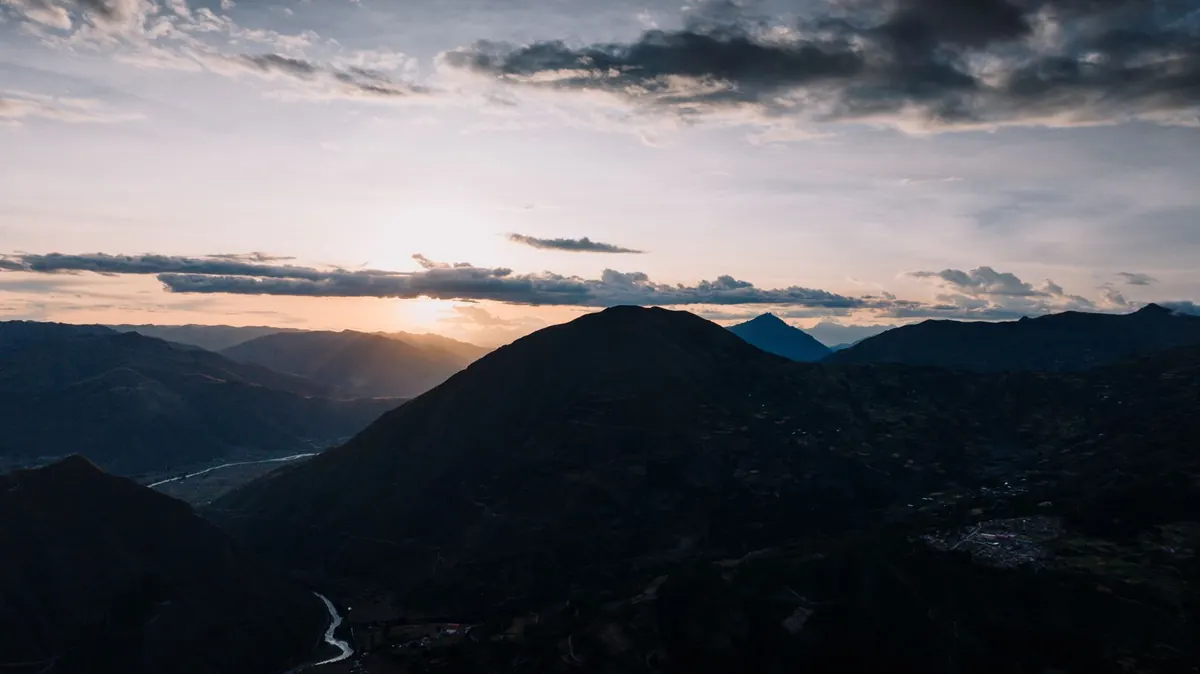
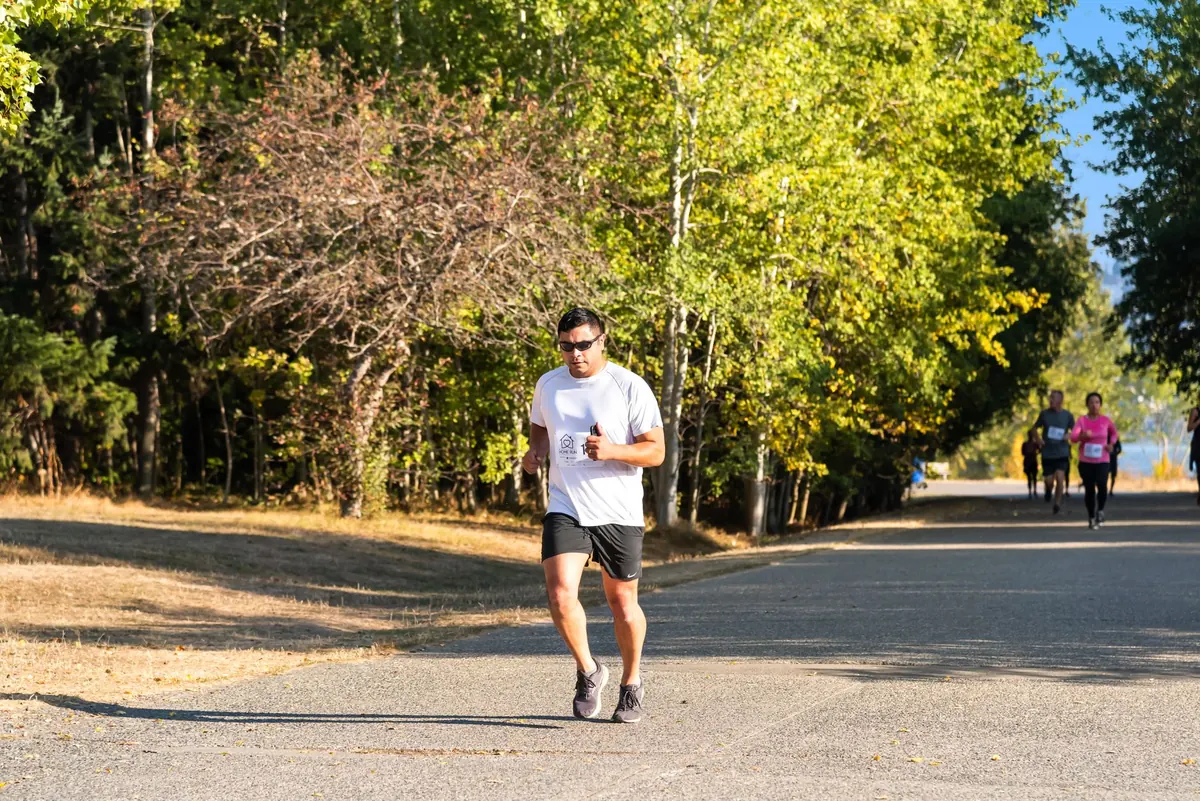
From the road, a valley trail looks almost too easy. A wide path stitching between cottonwoods, a creek running alongside, a few soft hills in the distance. Ten minutes in, you're breathing through your ears, your ankle has rolled once on a buried rock, and the sun is directly overhead. Valley terrain is deceptive that way. There's no summit push and no exposed ridge, but the ground is loose, the grades never settle, and heat sits in the bottom of the drainage like water in a bathtub. Most first-time mistakes come from treating a valley trail like a city path with a better view.
Valley floors look flat and rarely are. What reads as level on a map is often a slow grind of sand, gravel, and grass-hidden ruts, broken up by short climbs that appear out of nowhere. New runners push the flats because they feel easy, then meet a two-hundred-foot rise with nothing left.
Run by effort, not by pace. If you can't say a short sentence out loud, you're working too hard for a first season. Let the watch be a curiosity, not a coach.
Spend the first two miles deliberately slow — slower than feels natural. That's your warm-up, and on valley trails it doubles as scouting. You're reading the ground, noticing where the footing turns sketchy, and letting your ankles wake up.
The moment a climb steepens past comfortable, walk. Power-hiking a hill costs you a minute and saves you the rest of the run. The runners who look strongest at mile eight are usually the ones who swallowed their pride at mile three.
Wind and dry air pull sweat off your skin before you notice it, so you can finish a run feeling fine and still be down more fluid than you thought. Thirst lags behind need. Drink on a schedule — a few swallows every fifteen or twenty minutes — rather than waiting to feel parched.
Creek water is tempting on a hot day and not automatically safe to drink. If you plan to use surface water, carry a filter or treatment and check current local guidance first. If you take medication, have a heart condition, or you're new to training in heat, talk to a doctor before building up distance — general advice can't account for your situation.
Valley corridors are highways for animals. Deer at dawn, rattlesnakes sunning on warm gravel, coyotes cutting across a field, and in many valleys bears and moose working the creek bottoms. Most encounters go fine when the animal hears you coming.
So make noise. Talk, sing badly, clap on blind corners and near thick brush. Keep at least one earbud out on narrow singletrack. If you run with a dog, keep it leashed and close — a dog ranging ahead is how people end up between a bear and its escape route.
Give every animal an exit. The moment it feels cornered, a calm encounter stops being calm.
For a snake, stop, step back the way you came, and go around. Don't jump over it. For a moose, back away and put a tree between you if you can. For a bear, don't run — group up, speak calmly, back away slowly. Carry bear spray where it's recommended and learn to use it before you need it; check with your state or provincial wildlife agency for what applies where you run.
Maps show old jeep roads, cow paths, and social trails that dead-end at a fence or a private boundary. Washes that look like shortcuts can turn into sand pits or, after a storm, running water. A loop measuring five miles can take twice as long as the road run you're comparing it to.
Start with out-and-back routes. They're boring and they're safer: you always know the way home, and you learn a trail's real character — where it's loose, where it floods, where the shade ends. Add loops one at a time. Check land ownership before you commit, and assume cell coverage disappears the moment you drop below the canyon rim.
Roots, cobbles, and fist-sized rocks reward small adjustments. Shorten your stride on descents instead of braking with your heels. Look two or three steps ahead rather than at your feet. Let your arms drift out for balance when the ground gets loose.
Trail shoes with real tread matter more here than maximum cushion, and a very tall, soft stack can feel tippy on rock. Don't debut new shoes on a long run. If steep descents bother your knees, trekking poles aren't cheating — they're extra brakes.
Temperatures swing hard. A shaded morning start can turn into a hot afternoon, and thunderstorms can drop rain on slopes miles away, sending water down a dry wash an hour later. Start early, carry a light layer, and set a turnaround time rather than a turnaround distance. Sunscreen on your ears, neck, and the backs of your hands — the places people forget.
Pick one trail and run it weekly for a month. Add ten minutes, not ten miles. Learn its creek crossings, its snake spots, its shade. Join a local trail group once; the fastest way to learn a valley is from people who've been tripping over it for years. And if something hurts in a way that doesn't fade, see a professional rather than running through it.
Photo: Matthew Edington / Pexels

Stories and insights from the valley.
Copyright © 2026 Vale Column. All rights reserved. Vale Column.