October 09, 2026



A single tree usually goes first: a lone maple at the edge of a field, or a birch on a shaded slope that turns while everything around it is still green. Within a week the color is moving down the valley walls like water finding a low place. Knowing where it sits on that descent is most of the trick to planning a good fall drive. The rest is timing, light, and being willing to pull over when something catches your eye.
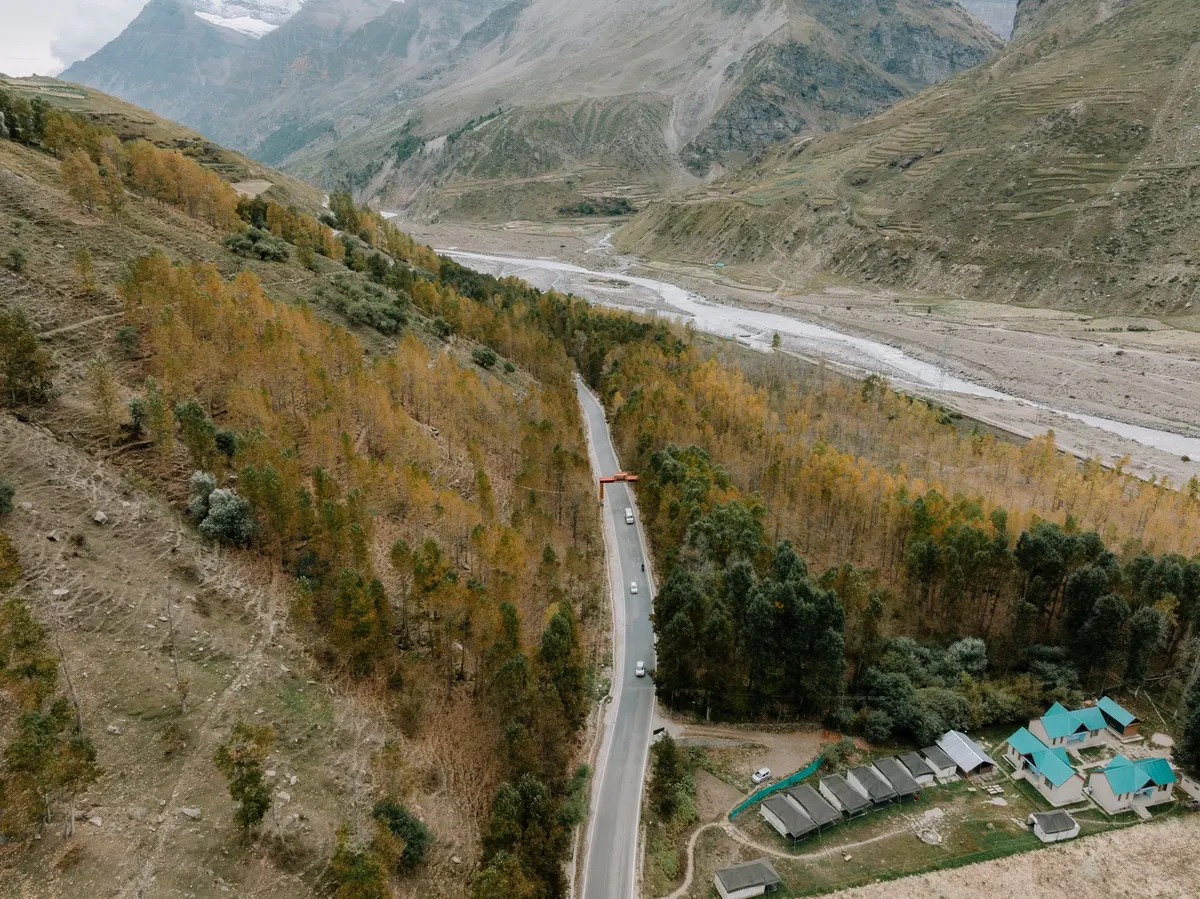
Two forces set the schedule: elevation and aspect. Higher ground cools first, so ridges, passes, and the upper end of the valley change color well before the floor does. The gap between a high ridge line and the valley bottom can run a week or more, which is why a route you drove on the first weekend of October can look completely different two weeks later.
Aspect matters almost as much. North- and east-facing slopes hold shade and moisture, so they turn ahead of the sunny south-facing slope directly across the road. If you want to know what your valley will look like next week, look at the north-facing side today.
Species run on their own clock, and learning the order turns one drive into four or five spread across six weeks:
Start at the top. Pass roads and the gravel route over the ridge above town are where color appears first, and they are also the drives you will not want to make once snow threatens. Go early in the day if fog is common in your valley; climbing above the fog line gives you trees in sharp light and a valley full of cloud below.
Temperatures at a pass can run noticeably cooler than in town, so bring a jacket even if the morning feels mild. Pullouts are usually few and small up there, which is good news: fewer cars, longer views, and a legitimate reason to stop every ten minutes.
This is the week most people mean when they say fall. Ridge roads that run along the valley wall, county roads climbing past orchards and hayfields, and any route with a long view across to the far side of the valley all tend to hit their best stretch in this window.
Color looks flat when the sun is behind you and glowing when it comes through the leaves from the side or ahead. A road you drove north in the morning will read completely differently coming back south in the late afternoon. If you have the time, plan a loop rather than an out-and-back, and save the stretch with the best westward views for the last hour of daylight.
The trees right at the road edge get the attention, but the best views are often one layer back: a hillside of mixed maples behind a fence line, or a stand of oaks stepping up a draw. Slow down at bends and crests, where the landscape opens up on its own.
Once the ridges are past their peak, shift your attention down. Cottonwoods along a river or canal turn gold late and hold longer than most hillside species, and the flat farm roads around them are easy driving: wide verges, short sightlines to the next bend, and plenty of places to stop without blocking anyone.
This is also the season for low sun, long shadows, and morning ground fog that lifts slowly off the fields. Bring a thermos and take the loop twice — once in the mist, once after it burns off.
What remains in November is quieter and, for a lot of people, better: bronze oaks, gold tamarack, hedgerows of bittersweet and hawthorn, and the skeletal shapes of trees that have already dropped. Timing gets harder, though. Frost pushes color along quickly, and one windy storm can strip a slope in an afternoon.
These habits make the difference between catching peak and missing it by four days:
Rule of thumb worth remembering: when the ridge is done, the river road is just starting. There is almost always one more drive.
Fill the tank before you leave town, since services get sparse past the last junction. Carry water, a snack, and a layer you can add at a windy overlook. Wear shoes you do not mind getting muddy, because the best roadside pullouts are usually the unpaved ones.
Download an offline map if your route crosses the hills — coverage drops in exactly the places with the best views. Tell someone where you are going and when you expect to be back. On gravel descents, use a lower gear rather than riding the brakes, and keep an eye out for logging trucks, farm equipment, and cyclists sharing a narrow lane.
When you stop, pull completely off the road, never into a driveway or in front of a gate, and treat fences as the property line they are. Take your apple cores and coffee cups home with you. Then roll the windows down, drive slower than you think you need to, and let the afternoon take as long as it wants.
Photo: Harsh Kukadiya / Pexels
Stories and insights from the valley.
Copyright © 2026 Vale Column. All rights reserved. Vale Column.