October 09, 2026


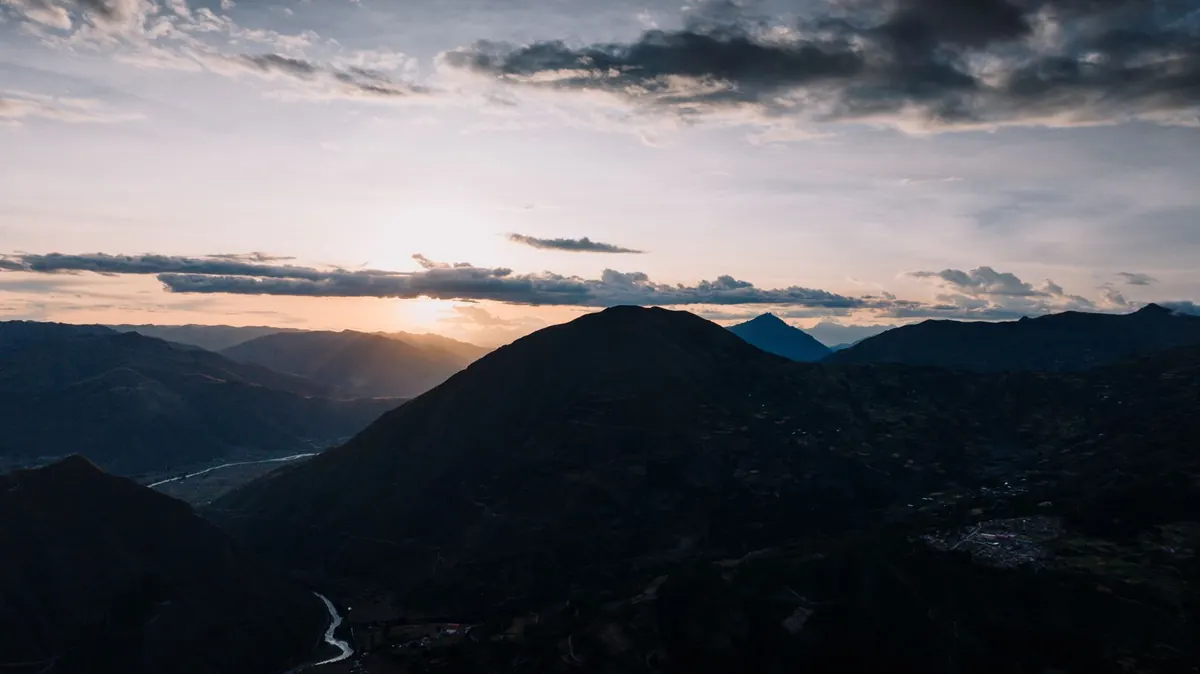
A river valley gives you something most backyards don't: a highway. Water, willows, and cottonwoods run in a continuous line through the landscape, and birds use that line the way commuters use a train schedule. Set a chair where you can see a window, keep a pair of binoculars on the sill, and you have a front-row seat to one of the busiest routes in the region. Getting started takes less gear and less knowledge than most people expect.
Riparian corridors—the strips of trees and brush that follow moving water—are the busiest travel routes in any landscape. Birds follow them because a corridor offers what a bird needs in order: water to drink and bathe in, insects hatching from the shallows, tall trees for cover, and dense shrubs for nesting. On a good spring morning, a single line of cottonwoods can hold more species than an entire hillside of open field.
You don't need river frontage. A yard two or three streets inland still catches the overflow, especially with a mature tree, a hedge, and a bit of open water nearby. Even a balcony with a hanging feeder works, though your list will be shorter. What matters more than acreage is consistency: the same food and the same water, in the same place, week after week.
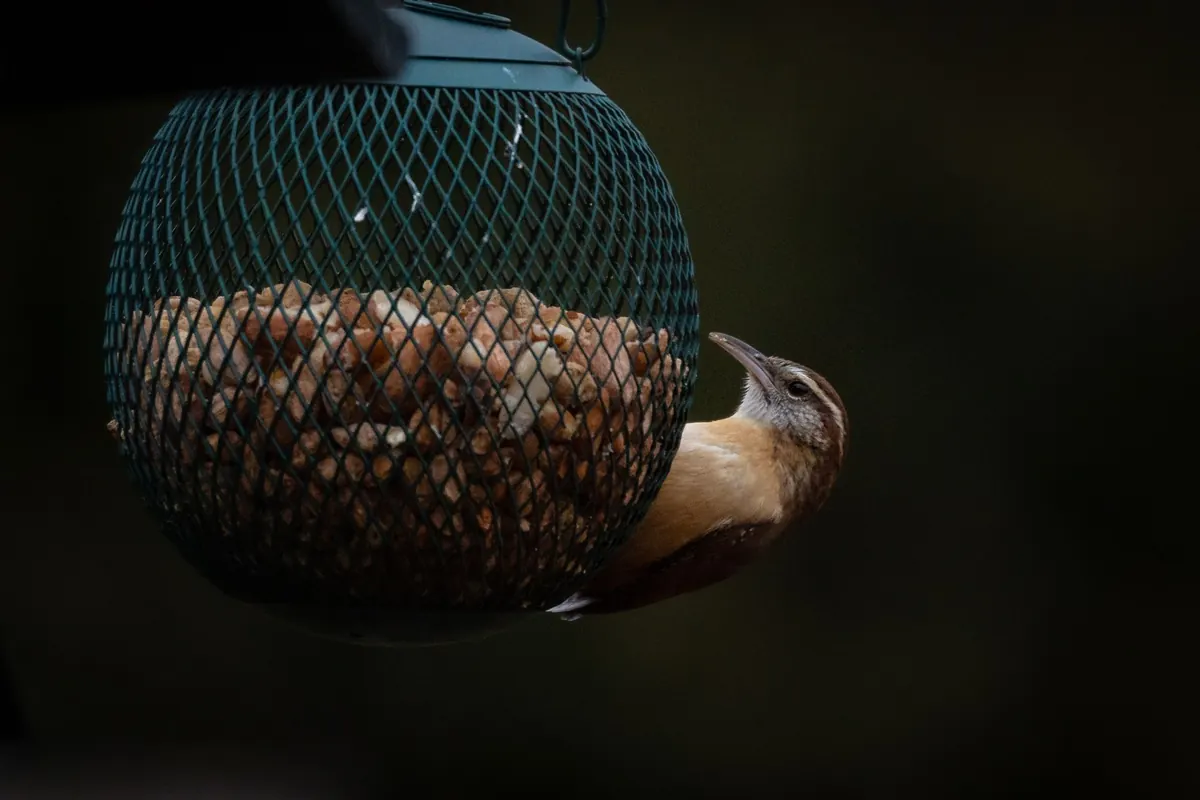
Beginners often expect cardinals and blue jays, and you'll likely get both. But the reliable regulars are small, busy birds that treat your yard as a territory rather than a rest stop.
Then there are the river birds, which you'll often see without any feeder at all: great blue herons standing motionless in the shallows, belted kingfishers rattling past, mallards and Canada geese, and swallows stitching the air over the water in summer. Some valleys also host ospreys in warm months.
Placement matters more than the feeder itself. Work through these steps in order and you'll avoid the two most common problems: empty feeders and dead birds at the glass.
For seed, black-oil sunflower suits the widest range of species. Nyjer draws finches, suet cakes bring woodpeckers and nuthatches in cool months, and cheap mixes with a lot of red milo mostly end up on the ground. Buy in small quantities and store seed dry; moldy or damp seed can make birds sick.
Spring is when a valley yard earns its keep. Migrating warblers, vireos, tanagers, and thrushes move up the corridor, often pausing in the first trees they find. The last few weeks before leaves fully open are ideal, because you can still see what's moving. Fall works the same way in reverse, with loose mixed flocks drifting south and many birds quieter and duller in plumage. Exact timing shifts with latitude and elevation, so treat any calendar as a suggestion and let the trees tell you — when buds break, start watching closely.
Summer looks slow because nesting birds are secretive and many are molting, but it's the best season for watching swallows over the river and herons working the shallows. Winter is the easiest season for beginners: fewer species, bare branches, and hungry birds that come to feeders with little hesitation. Suet and sunflower matter most then, along with open water, which concentrates ducks and geese.
Whatever the season, the first two hours after sunrise are the busiest. If you only have fifteen minutes, spend them early.
You do not need to identify everything. Learn ten common birds well — really well — and the rest become comparisons. Before you reach for a guide, note four things: size relative to a bird you know (sparrow, robin, crow), beak shape, posture and movement, and any obvious markings such as an eye stripe, wing bars, or a flash of color in flight.
Ten minutes of watching one bird teaches you more than an hour of flipping through a field guide.
Sound carries in a valley, often better than sight does. Learn the chickadee's two-note whistle and the nuthatch's nasal honk, and you'll start noticing how much is happening overhead that you never see. A free song-identification app can point you toward a name, and notes you take yourself — date, weather, what the bird was doing — will teach you the patterns behind it. Keep a simple yard list. Watching it grow is its own reward.
Keep cats indoors or in an enclosure; it's the single biggest thing you can do for local birds. Break up window reflections with screens, external blinds, or decals placed close together on the outside of the glass. Skip pesticides if you can, since a yard without insects is a yard without much to watch. Don't feed bread to ducks and geese along the river — it does them no good and fouls the water. And leave nests alone; watching from a respectful distance is always the better view.
Pick one feeder, one spot by a window, and fifteen minutes in the morning. Do that for two weeks and you'll know your regulars by sight — which birds arrive first, who bullies whom, when the juncos show up. Add water next, then a second feeder with a different food, then a short walk along the river path with binoculars. A basic pair of 8x42 binoculars and a regional field guide will carry you a long way.
Local bird clubs and park districts run walks most months, and a morning with people who know the valley's birds will speed up your learning more than any book. But the core of it stays simple: sit still, pay attention, and notice what repeats.
Photo: Tina Nord / Pexels
Stories and insights from the valley.
Copyright © 2026 Vale Column. All rights reserved. Vale Column.